Mosquito
…for sucking blood. Males look different, with feathery antennae and mouthparts that cannot pierce skin. Mosquito larvae are brown, black or gray and have a breathing tube on their tail….
…for sucking blood. Males look different, with feathery antennae and mouthparts that cannot pierce skin. Mosquito larvae are brown, black or gray and have a breathing tube on their tail….
The most common species of Aquatic Beetles in vernal pools come from two families: The Predaceous Diving Beetles (the Dytiscids) and the Water Scavenger Beetles (the Hydrophilids). The larvae of…
…body is thick, with a rounded nose and a pudgy tail. Larvae are pale and have no spots. The larvae also have large fins on the back and feathery gills….
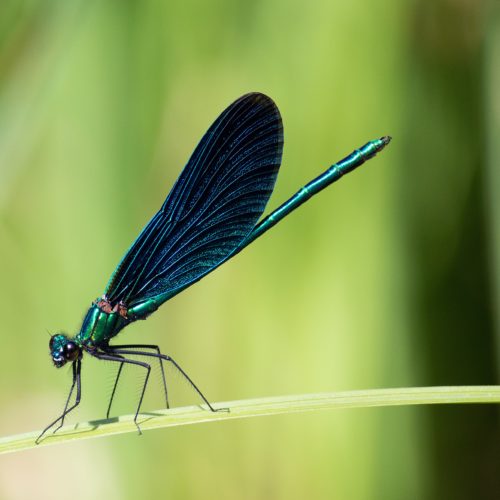
…Dragonfly and Damselfly larvae are aquatic. The larvae have large eyes similar to the adults. The Damselfly larva has a long and narrow body with three feather-like tails which are…
The Western Spadefoot is small and squat. Its back is olive-brown or gray with dark blotches and little red bumps. The skin on its back is mostly smooth, unlike that…
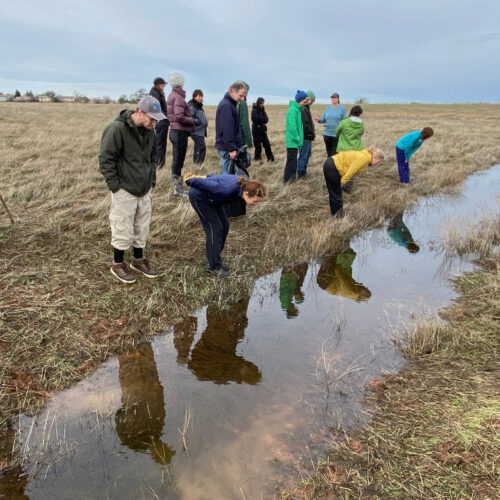
…the pools are teeming with tiny aquatic invertebrates! You’ll get to see fairy shrimp, water fleas, flatworms, copepods, predatory aquatic beetle larvae, aquatic snails, beautiful damselfly larvae, bright red water…
A Water Flea swims in a jerky, hopping motion like a flea. A carapace (shell) covers most of its body. The carapace is hinged on one side. The other side…
The Great Egret is a wading bird with white feathers. It has a long neck and very long, black legs. Its bill is long, thick and yellow. An adult Great…
…the wet phase, when the pools are teeming with tiny aquatic invertebrates! Visitors will get to see fairy shrimp, water fleas, flatworms, copepods, predatory aquatic beetle larvae, aquatic snails, beautiful…
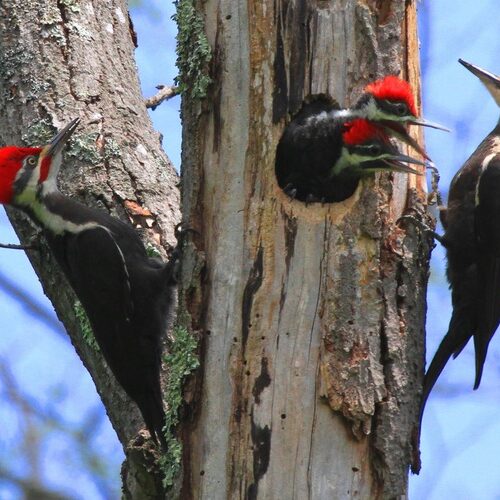
…rotting wood of fallen logs, including wood-boring beetle larvae, caterpillars, cockroaches, and other insects. They also eat berries and acorns. Pileated Woodpeckers have a unique and unmistakable style when it…